


Here are all the small things we thought you’d like to hear, watch, or read this week.
LISTEN
Small songs that leave you wanting more
I’m not talking about quirky little interludes like Sufjan Stevens’ “One Last ‘Whoo-hoo!’ for the Pullman” or Relient K’s “Crayons Can Melt On Us For All I Care”, but songs that feel like actual songs and end with you wishing for another verse or another round of the chorus. Here are a few of my favourites, all under two minutes, and with some extra little things to watch alongside to boot:
Roger Miller - “Oo-De-Lally”
Yusuf / Cat Stevens - “The Wind”
Mountain Man - “Honey Bee”
Wye Oak - “Milk and Honey”
Vampire Weekend - “Big Blue”
-JB
It’s a big world of music out there—what does your small corner of it sound like?
WATCH
Small things making a big difference
Movies have more competition for our attention than ever before, and that’s led to them often going for broke when it comes to special effects, action sequences, and gory violence. But attention can be grasped in a multitude of ways. Here are a few examples of films that drew us in using the small things.
The sled in Citizen Kane
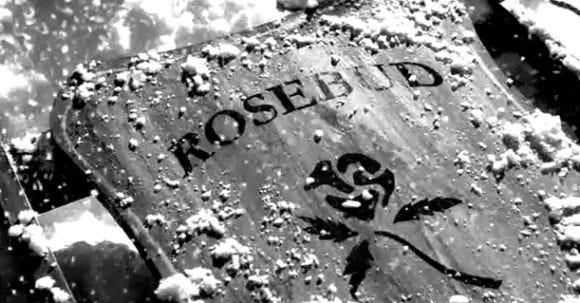
One of the most famous movies of all time introduces its intrigue with a single word and the search for its meaning, specifically for the central character. Charles Foster Kane, the wealthiest man who ever lived, dies with the word “rosebud” on his lips. As the story progresses, we learn that it was the name of his childhood toboggan, but does that answer our question or posit new ones? Its unwillingness to answer is the gift that stills keeps giving after 84 years.
Roses in American Beauty
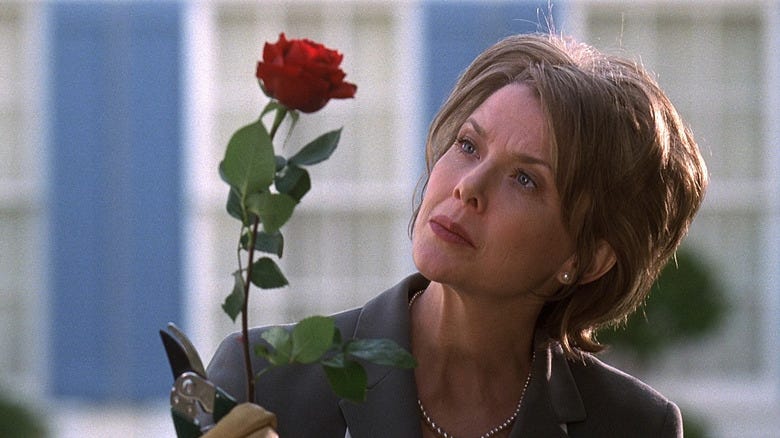
Again with that thorny flower. But with this one, director Sam Mendes is happy to leave the connotations in the background and let you “look closer” to discover them for yourself. Pro-tip: notice the interplay with everything red. In the end, it comes to symbolize the things we miss when we’re not paying the right kind of attention to our lives, and how we deceive ourselves into dissatisfaction.
Wilson in Castaway
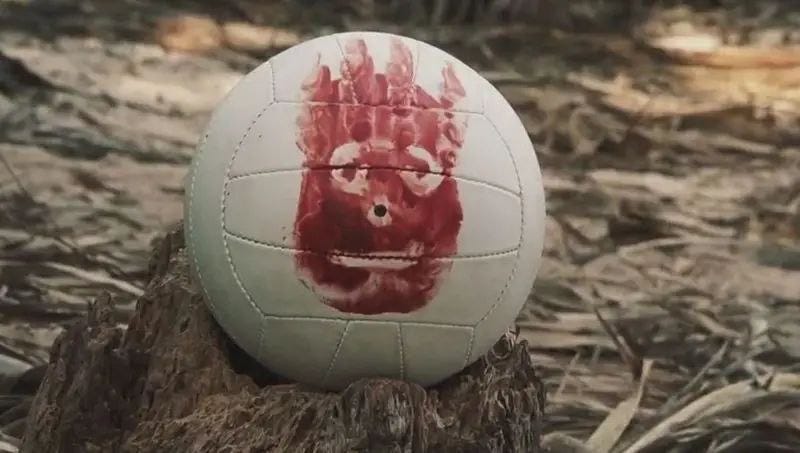
You can talk about props being characters in their own right, but I can’t think of an example quite as real and literal as Tom Hank’s beloved volleyball. It’s too bad this film turns out to be a long-winded ad for FedEx.
The pill(s) in The Matrix
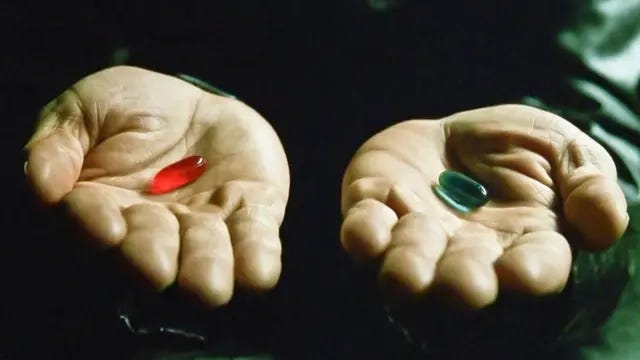
More of a spark setting the wheels of the movie in motion than a throughline, these two Advil-shaped capsules have grown a life of their own since they forced Mr. Anderson to choose between ending the story and seeing “how deep the rabbit hole goes.”
The top in Inception
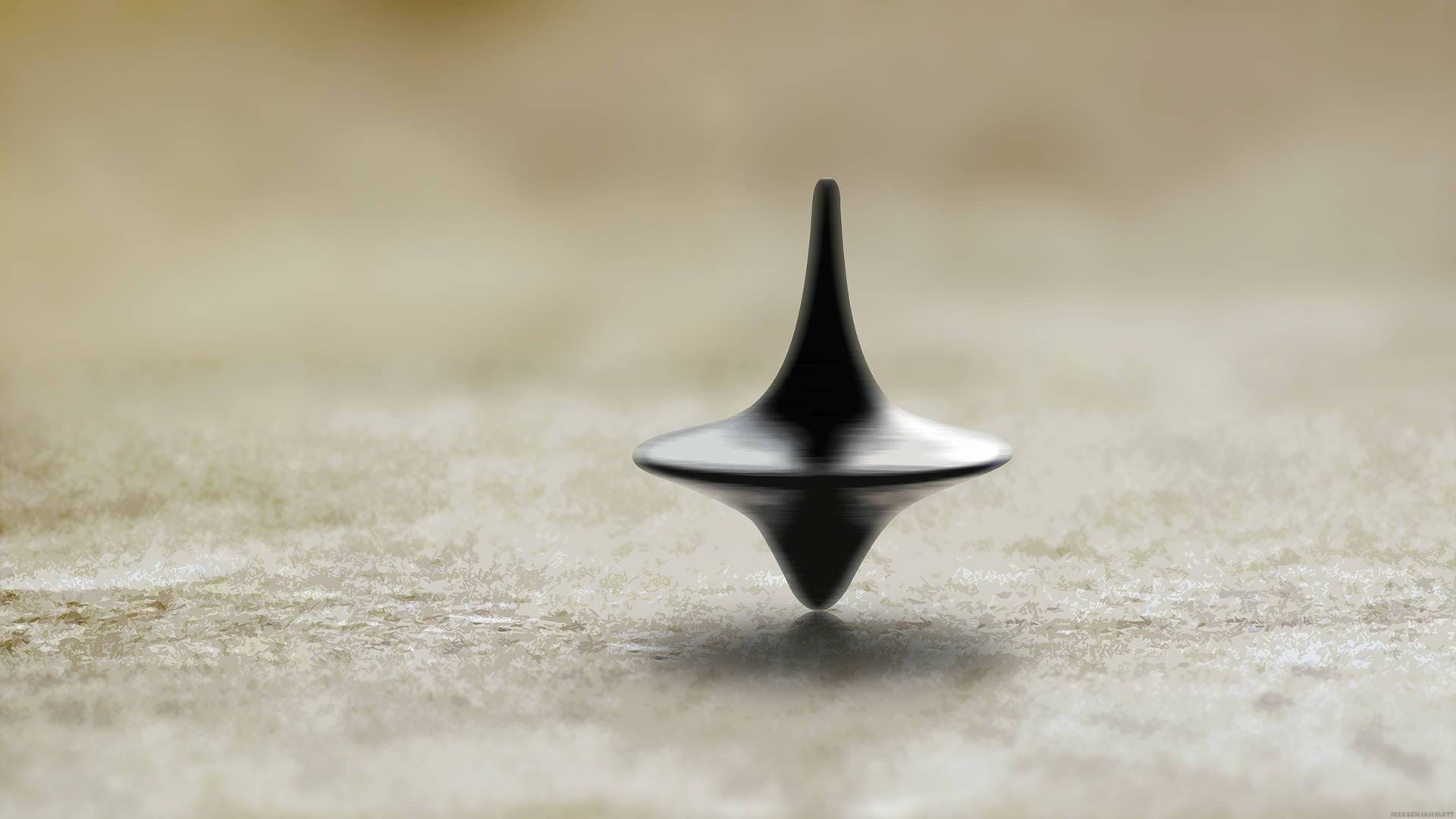
Inception is somewhat of an exception in this list—when it comes to grabbing the audience’s attention, Christopher Nolan definitely didn’t pull his punches. But after all the gravity-defying stunts, high-stakes chases, and dream logic plot, the thing holding your focus to the last frame is a simple, spinning top.
-AK
READ
Small people dreaming big, and vice versa
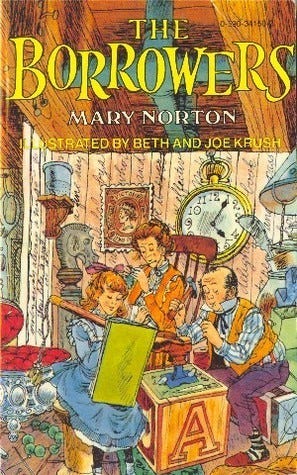
I was originally just going to talk about The Borrowers for this segment, but then I read a great Substack piece by Ponytail Pal Matthew Joel Vanderkwaak called “The Music That Belongs Where You Are,” and it struck me that the two reads would make a fun little odd couple.

The Borrowers tells the story of a family of three people who are so small that they live under the floor and in the walls of a big-people house and “borrow” food and supplies from the big people in order to survive. In one sense, we might think their world is “big”: they live in a house built for giants and use cigar boxes for bedrooms, for example, and thread spools for kitchen tables. In another, though, it’s very small. The daughter Arietty regularly peeks through the grate and yearns for the bigger world outside the house, and when she does get out there and speaks to a big-sized boy we see how small her worldview really was. She is astounded to hear from the boy that her big house is not the only place where there are big people. Thousands—nay, millions—of these big people live in cities in places very very far away and all over! And not only that, but these big people do not, in fact, exist solely in order to be borrowed from by her family and her fellow borrowers, which is what she originally understood to be true (lots of interesting subtext there to get into in another Ponytail Picks, perhaps).
So in this book we read about a small person whose small worldview is expanded in a big way. In Matthew’s essay he addresses us big people, who in the internet age have been blessed and burdened with the potential for a worldview that can be as big as we want, and encourages us to think small, at least in the specific space of music listening. Because, as he aptly puts it for people around our age who give up trying to discover new music, “There’s just too much.”
His suggestion? “Embrace… creative limitations in our listening,” and “purposefully focus… our attention on the music that comes from somewhere.” In other words, just work on discovering the music of a particular place—one big house, perhaps, with all its nooks and crannies and holes in the wall—instead of worrying about keeping track of the output of the whole world.
Because you, after all, “are uniquely equipped to encounter and engage the spirit of the music that is happening where you are now,” and “the rest of us need you to tell us about it.”
So? Tell us!
-JB
All our tiny totems and trinkets are back in their drawers. We hope our taste next time isn’t too
Thanks for the shout-out, Joel ❤️. I'm so proud of that essay! Honoured to have it juxtaposed with the Borrowers. I recently introduced our toddler to Ghibli's take on the Borrowers. It was really great revisiting that story.